
South Ecuador
Unforgetable Experience
Southern Ecuador is one of the most biodiverse and rewarding regions for birdwatching in the entire Andes. Stretching from the dry Tumbesian valleys near the Pacific to the humid cloud forests and lush Amazonian foothills, this region offers an incredible variety of habitats and a remarkable concentration of endemic species.

Southern Ecuador tour Itinerary
Day 1. Manglares churute – machala area – buenaventura
At manglares churute, we will look for rufous-necked wood-rail, as well as herons, egrets, black-bellied whistling-ducks, least grebe, snail kite, savanna hawk, wattled jacana, white-throated crake, masked water-tyrant, and peruvian meadowlark.
We may also see horned screamers at lake canclón, surrounded by marshes and dry forest.
On the way to buenaventura reserve, we will make several stops to explore flooded rice fields, wetlands, coastline, scrub, and woodland patches. Possible species include crimson-breasted finch, variable and chestnut-throated seedeaters, thick-billed and large-billed seed-finches (the latter sometimes treated as great-billed seed-finch), and shiny cowbird.
Open areas and wetlands may also host neotropic cormorant, magnificent frigatebird, brown pelican, great, snowy, and cattle egrets, little blue, cocoi, and striated herons, yellow-crowned night-heron, white ibis, and black and turkey vultures.
By evening, we will arrive at umbrellabird lodge in the buenaventura reserve, where we will stay for two nights.
The reserve, located near piñas and zaruma in el oro province, is one of the richest ornithological sites in southwestern ecuador. It protects rare remnants of tropical cloud forest at about 1,000 m elevation.
Overnight at Buenaventura.
Day 2–3. Buenaventura
This reserve gained recognition after the discovery of the threatened el oro parakeet in 1980. Around 330 bird species have been recorded here, including many ecuadorian, chocó, and tumbesian endemics.
It is also home to the rare el oro tapaculo, club-winged manakin, and a lek of long-wattled umbrellabird, located just minutes from the lodge. We may also find brownish twistwing, plain-backed antpitta, and scan for gray-backed hawk and the rare solitary eagle among kettles of swallow-tailed kites.
Other possible species include pacific tuftedcheek, esmeraldas antbird, ochre-breasted antpitta, plumbeous pigeon, bronze-winged parrot, squirrel cuckoo, pauraque, white-collared swift, chocó toucan, guayaquil woodpecker, scaly-throated foliage-gleaner, brown-billed scythebill, plain antvireo, zeledon’s antbird, golden-winged manakin, and many others.
Overnight at Buenaventura.
Day 4–5. Jorupe
Early morning drive to jorupe reserve, an excellent site for tumbesian endemics. Target species include gray-capped cuckoo, ochre-bellied dove, ecuadorian piculet, henna-hooded foliage-gleaner, watkins’s antpitta, tumbes pewee, sooty-crowned flycatcher, and slaty becard.
Playing the pacific pygmy-owl call often attracts mixed flocks with tropical gnatcatcher, white-tailed jay, plumbeous-backed thrush, and crimson-breasted finch. Evening search for west peruvian (tumbes) screech-owl.
Overnight at Jorupe.
Day 6. Utuana
From jorupe we head toward sozoranga, where chestnut-collared swallows nest under the church roof. In nearby patches of forest, we’ll look for gray-chinned (porculla) hermit, little woodstar, andean slaty-thrush, and black-and-white tanager.
At utuana reserve, specialties include rusty-breasted antpitta, black-crested tit-tyrant, and piura hemispingus, as well as rainbow starfrontlet, line-cheeked spinetail, and jelski’s chat-tyrant.
Later, we continue toward loja and vilcabamba, birding en route for amazilia hummingbird (loja subspecies), three-banded warbler, rufous-naped brush-finch, and plumbeous rail.
Overnight at vilcabamba.
Day 7. Cerro toledo
Drive up to the misty elfin forest of cerro toledo, where we target the localized neblina metaltail, great sapphirewing, and rainbow-bearded thornbill. Other highlights include paramo tapaculo, mouse-colored thistletail, crowned chat-tyrant, grass-green tanager, and masked mountain-tanager.
Overnight at Tapichalaca.
Day 8–9. Tapichalaca
Explore tapichalaca reserve, home of the famous jocotoco antpitta, discovered here in 1997. With the help of feeders and “earthworm gardens,” we have good chances of observing this species, as well as chestnut-naped antpitta.
The reserve also hosts barred antthrush, orange-banded flycatcher, lacrimose and hooded mountain-tanagers, plushcap, masked saltator, and many more. Hummingbird feeders attract chestnut-breasted coronet, collared inca, long-tailed sylph, and white-bellied woodstar.
Overnight at casa Tapichalaca.
Day 10. Zamora
Drive along the old loja–zamora road, with chances for torrent duck, white-capped dipper, and andean cock-of-the-rock.
Arrive at copalinga lodge, where feeders attract violet-fronted brilliant, wire-crested thorntail, little woodstar, and spangled coquette.
Overnight at Zamora.
Day 11. Bombúscaro
Birding the entrance of podocarpus national park, one of the richest habitats in ecuador. Targets include white-breasted parakeet, coppery-chested jacamar, foothill elaenia, spot-winged parrotlet, black-streaked puffbird, and blue-rumped manakin.
Overnight at Zamora.
Day 12–13. Yankuam reserve
Drive to yankuam lodge, birding en route for bluish-fronted jacamar and orange-throated tanager, along with zimmer’s antbird, white-throated woodpecker, amazonian umbrellabird, and fiery-throated fruiteater.
At 800–1,000 m elevation, we’ll also search for golden-collared honeycreeper, rufous-crested tanager, and yellow-whiskered bush-tanager.
Overnight at Loja
Day 14. Loja to Cerro de Arcos
Depart early from Loja, driving west toward the dry inter-Andean valleys and scrub habitats around Las Chinchas (approx. 2 hours). This area is excellent for birding in the Tumbesian region, with many endemics and specialties.
Morning birding at Las Chinchas, targeting:
Black-and-white Tanager, Chapman’s Antshrike, Andean Slaty-Thrush and others
Short-After a picnic lunch, continue the journey uphill to the high paramo of Cerro de Arcos (approx. 2 hours). The landscape changes dramatically from dry valleys to windswept grasslands and rocky outcrops.
Overnight at Cerro de Arcos
Day 15. Cerro de Arcos
Early morning session dedicated to photographing and observing the Blue-throated Hillstar and other high-elevation hummingbirds, taking advantage of the best morning light.
Begin the return journey to Saraguro before noon, with optional stops in montane scrub and Andean forest transitions to look for Shining Sunbeam, Chestnut-naped Antpitta, and Black-headed Hemispingus.
Arrival in Saraguro by late afternoon.
Overnight at Cerro de Arcos
Day 16. Acacana forest – cajas national park
Morning birding in acacana, then a short drive to cajas national park near cuenca.
We’ll explore high-elevation lakes and polylepis forest, searching for ecuadorian rail, andean teal, violet-throated metaltail, tawny antpitta, many-striped canastero, and giant conebill.
Day 17. Guayaquil – departure
After breakfast, drive to guayaquil, birding en route.
Pacific Royal Flycatcher
Gallery

Long-wattled Umbrella-Bird
© 2025 Planet Wild Lens

Jocotoco Antpitta
© 2025 Planet Wild Lens
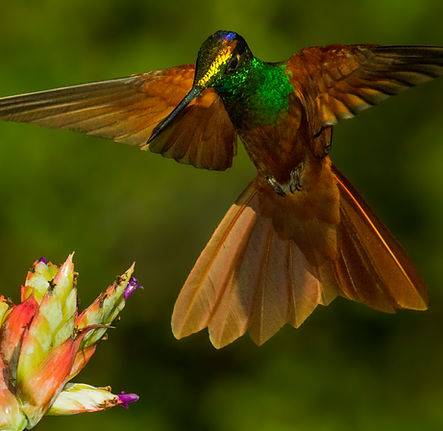
Rainbow Starfrontlet
© 2025 Planet Wild Lens

Blue-Throated Hillstar
© 2025 Planet Wild Lens
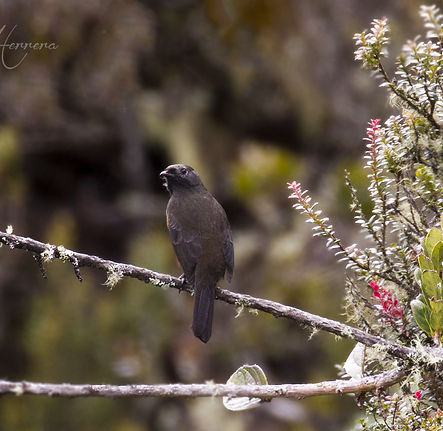
Chestnut-bellied Cotinga
© 2025 Planet Wild Lens
.jpg)
Rainbow-bearded Thornbill
© 2025 Planet Wild Lens
Blue-Throated Hillstar